


How to Dress Your Baby Girl: A Season-by-Season Guide for Indian Mums
The best clothes for a baby girl are soft, breathable, easy to put on and take off, and appropriate for the weather. For Indian summers, loose cotton onesies and jhablas are ideal. For winters, layered cotton-wool blends keep her warm without overheating. For festivals and special occasions, soft ethnic frocks and mini lehenga sets in gentle fabrics like cotton silk or mul-mul strike the perfect balance between cute and comfortable.
Dressing a baby sounds simple — until you're standing in front of a wardrobe at 2 AM trying to figure out why she keeps waking up, wondering if she's too hot, too cold, or just unhappy with your outfit choices. Indian weather, family pressure to dress babies in specific ways, and the sheer volume of conflicting advice online make baby dressing more complicated than it needs to be. This guide cuts through the noise with practical, season-specific advice for Indian conditions.
What Should a Baby Girl Wear in Indian Summers?
Indian summers are brutal — and babies feel heat more intensely than adults because their sweat glands aren't fully developed yet. Overheating is a real risk, and heavy, synthetic fabrics are the most common culprit.
The golden rule for summer baby dressing: one layer less than what you're wearing. If you're comfortable in a cotton t-shirt, she's fine in a thin jhabla or a cotton onesie. If you're in a light kurta, she's okay in a cotton frock. Parents often over-dress babies out of habit or family pressure — but a sweating, fussy baby is almost always an overheated baby.
Best fabrics for summer: Pure cotton is the clear winner — it absorbs sweat, breathes well, and is gentle on sensitive skin. Mul-mul (muslin) is even lighter than regular cotton and is especially good for newborns. Hosiery cotton (the soft, stretchy fabric used in onesies) is comfortable and easy to wash. Avoid polyester, nylon, and synthetic blends entirely — they trap heat and cause rashes.
Best styles for summer: Short-sleeved or sleeveless frocks, cotton rompers, jhablas with side ties, and loose onesies. For newborns, jhablas are ideal — they're open at the sides, easy to slip on, and don't require pulling over the head. For older babies (6 months+), a simple cotton frock or a romper with snaps at the bottom makes diaper changes easier.
What about the AC? If you're in an air-conditioned environment, add a thin cotton layer — a light swaddle blanket draped over her, or a full-sleeved cotton jhabla. AC air is dry and cold, and babies chill quickly. A light muslin wrap is the most versatile summer AC solution — it folds easily into a bag and takes seconds to use.
What Should Baby Girls Wear During Monsoon?
Monsoon brings its own set of dressing challenges — high humidity, sudden temperature drops, and the constant risk of wet clothes leading to chills.
The key in monsoon is quick-drying fabrics. Pure cotton remains the best choice because even when it gets damp, it dries faster than synthetic blends. Avoid thick cotton terry or heavy fabrics during monsoon — they stay damp for hours and can cause skin irritation in the folds of a baby's skin.
Keep a spare change of clothes in her bag at all times during monsoon. Rain, drool, and general baby messiness are amplified in humid weather, and a damp outfit left on too long is how rashes and colds develop. For outings, a light full-sleeved cotton dress or a romper with leggings gives you more coverage without adding heavy layers.
If you're in a region with cool monsoon evenings — hilly areas or coastal regions where sea breeze kicks in after rain — a light cotton-knit cardigan or a thin fleece jacket keeps her warm without being bulky.
What Should a Baby Girl Wear in Indian Winters?
Indian winters vary dramatically by region — Delhi winters are genuinely cold, Mumbai winters are barely a chill, and North Indian plains experience everything from mild cool to near-zero temperatures. Dress accordingly, not by calendar date.
Layering is the key principle for winter baby dressing. A single thick sweater traps heat unevenly and is hard to adjust. Two or three thin layers — a cotton onesie base, a soft cotton-wool blend top, and an outer layer jacket if needed — let you add or remove warmth as temperatures change through the day.
Best fabrics for winter: Soft wool blends, fleece, and cotton-flannel for the outer layers. Always keep a soft cotton layer against her skin — wool and fleece directly on skin can irritate, especially for babies under 6 months. Look for knitwear that's machine washable and doesn't shed fibres, which babies inevitably put in their mouths.
Head and feet: Babies lose a significant amount of body heat through their heads and feet. A soft cotton or woollen cap and socks are essential for winter outings. For indoors, if the house is adequately heated, skip the cap — overheating the head causes discomfort and disrupts sleep.
Winter festival dressing: For Diwali, Christmas, or winter weddings, a velvet ethnic frock or a mini lehenga set in rich jewel tones — wine, navy, or emerald — is stunning. Add a matching cardigan or a quilted jacket for warmth, and she's festive and comfortable. Keep the velvet for the photographs and party time; have a cosy warm outfit ready for when she falls asleep in the car on the way home.
💡 Quick Tip: The simplest way to check if your baby is too hot or too cold is to feel the back of her neck. If it's sweaty or hot, she's overdressed — remove a layer. If it's cool or cold to the touch, she needs more warmth. Her hands and feet are often naturally cooler than her body and aren't a reliable temperature indicator, especially in winter.
What Should Baby Girls Wear for Festive Occasions and Pujas?
Every Indian family has at least a dozen occasions in the first year of a baby's life that call for a special outfit — naamkaran, mundan, annaprasana, first Diwali, first Navratri, family weddings, and every relative's function in between. The pressure to have the baby dressed up for each one is real.
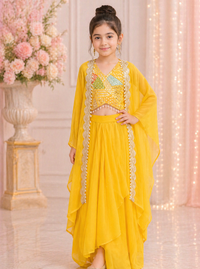
The practical approach: have two or three versatile special occasion outfits rather than buying a new one for every event. A soft cotton-silk ethnic frock in a warm tone — golden yellow, coral, or blush pink — works for pujas, family gatherings, and festivals. A slightly more elaborate mini lehenga set or an embroidered ethnic frock can cover weddings, receptions, and bigger celebrations.
For the naamkaran or annaprasana: A soft white or pastel ethnic frock with light embroidery is traditional. Avoid heavy embellishments — the baby will be held by many people, and sequins scratch adults' arms. A simple cotton silk jhabla-style outfit with a small border is the most comfortable and appropriate choice.
For Diwali and festivals: A baby girl Diwali dress in red, orange, or gold with minimal mirror work or zari border looks perfect. Keep the fabric soft and ensure there are no loose embellishments. A cotton silk ethnic frock with a small zari border is the ideal festival baby outfit — festive-looking without being uncomfortable.
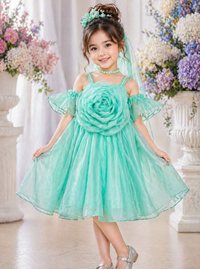
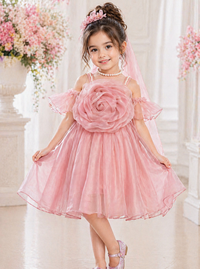
For weddings: A mini lehenga set in a pastel or jewel tone works beautifully for family photos. Go for cotton silk or soft art silk rather than stiff brocade. Keep a change of comfortable clothes for after the photo session — nobody expects the baby to stay in a lehenga all evening.
How Do I Choose the Right Size When Buying Baby Clothes Online?
Baby sizing is confusing because brands use different systems — some go by age (0–3 months, 3–6 months), others by weight, and some use height. Age-based sizing is the least reliable because babies grow at wildly different rates.
Always size up. Babies grow fast — faster than you expect. A 3-month outfit might fit for 6 weeks at most. If you're buying ahead for a specific occasion, calculate how old she'll be at the event and order the size for one to two months older. A slightly large outfit looks fine with a belt or a tuck; a too-small outfit is unwearable and there's no fix.
For ethnic outfits specifically: Check the chest measurement and the outfit length. Ethnic frocks and lehengas are less stretchy than everyday baby clothes, so chest fit matters more. Length can always be adjusted slightly with styling — a long frock worn as a tunic over leggings, for example — but a tight chest can't be fixed.
Jhablas and open-sided garments: These are size-forgiving because they tie at the side. They're also the easiest option for newborns — no head-pulling, no fighting with snaps, and they fit a wide range of sizes. Stock up on these for the first three months; they're the most practical everyday garment for Indian newborns.
What Are Common Baby Dressing Mistakes Indian Mums Make?
Most baby dressing mistakes come from well-meaning over-caution — dressing the baby for how the parents feel, not how the baby actually is.
Over-dressing in summer: The most common mistake. If you're comfortable in one layer, your baby doesn't need three. Overheating contributes to fussiness, poor sleep, and in extreme cases, heat rash. Watch for signs — sweaty hair, red cheeks, flushed skin — and remove a layer immediately.
Synthetic fabrics for sensitive skin: Shiny, colourful synthetic outfits photograph well but are terrible against baby skin. They don't breathe, trap heat, and cause rashes in skin folds — especially the neck, armpits, and diaper area. Reserve synthetics for very short photo sessions and change her back into cotton immediately after.
Ignoring the neckline: Baby heads are large relative to their bodies. A neckline that looks wide in the product photo might be too tight to pull over her head without a struggle. Look for outfits with envelope necklines, snap buttons at the shoulder, or side-opening designs — especially for newborns.
Buying only special occasion outfits: Baby fashion content is dominated by gorgeous ethnic outfits and special occasion looks, which can skew what you stock up on. In reality, a baby spends 90% of her time in everyday clothes — cotton onesies, jhablas, simple frocks. Make sure your wardrobe is weighted towards comfortable everyday wear, with a handful of special occasion outfits for when they're actually needed.
When Can Baby Girls Start Wearing Lehengas and Ethnic Sets?
There's no fixed age — it depends on the baby's size, the specific outfit, and the occasion. Most mini lehenga sets for babies are designed for girls from around 6 months onwards, when babies have enough body structure to sit up or be held upright and the outfit can actually be seen properly.
For very young babies (0–3 months), an ethnic frock or a jhabla-style outfit in a festive fabric is more practical than a full lehenga set. The lehenga skirt tends to bunch up when the baby is held, and the choli can restrict movement in newborns.
From 6 months to 2 years, a mini lehenga with an elastic waistband and a simple slip-on choli works well for special occasions. From 2 years onwards, she can wear a proper lehenga choli set with a drawstring waist and a slightly more structured choli — just keep an eye on comfort throughout the event.
Frequently Asked Questions
What fabric is best for newborn baby clothes in India?
Pure cotton and mul-mul (muslin) are the best fabrics for Indian newborns. They're breathable, gentle on sensitive skin, easy to wash, and appropriate for India's warm climate. Avoid polyester, synthetic blends, and stiff fabrics for everyday wear.
How many layers should I dress my baby in during winter?
Two to three thin layers work better than one thick layer — a cotton base, a soft knit middle layer, and an outer jacket if needed. Always keep soft cotton against her skin. Feel the back of her neck to gauge her temperature — sweaty means too warm, cool means add a layer.
At what age can baby girls wear ethnic outfits for festivals?
From birth onwards, as long as the fabric is soft and the outfit is comfortable. For newborns, stick to cotton-silk ethnic frocks or jhabla-style garments. Mini lehenga sets work well from around 6 months, once the baby has more body structure to wear them comfortably.
How do I stop baby clothes from irritating her skin?
Wash all new clothes before the first wear to remove manufacturing residue. Use a mild, fragrance-free baby detergent. Choose fabrics with cotton lining even for ethnic outfits. Check for rough seams, scratchy embroidery, and tight elastic — all common sources of baby skin irritation.
What is the best everyday outfit for a baby girl in India?
A cotton jhabla or a simple cotton frock for summer, and a cotton onesie with soft leggings for cooler weather. These are easy to put on, easy to wash, comfortable for the baby, and versatile enough for home, outings, and casual visits. Save the special outfits for actual special occasions.
Dress Her With Love — and Good Sense
Dressing your baby girl is one of the quiet joys of new motherhood — the tiny outfits, the matching accessories, the first ethnic look for Diwali. But the best outfit is always the one where she's comfortable, appropriately dressed for the weather, and free to be exactly what she is — a baby. For everyday cotton basics, festival ethnic wear, and everything in between, explore Little Rajkumari's baby girl collection — soft, safe, and designed with Indian weather and Indian occasions in mind.


